

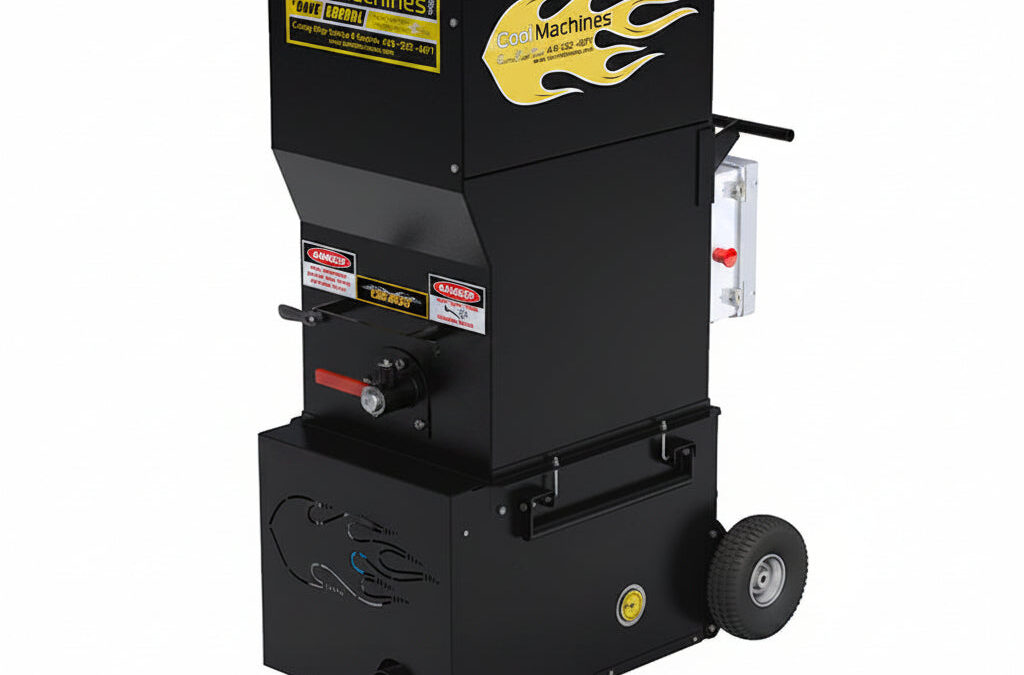
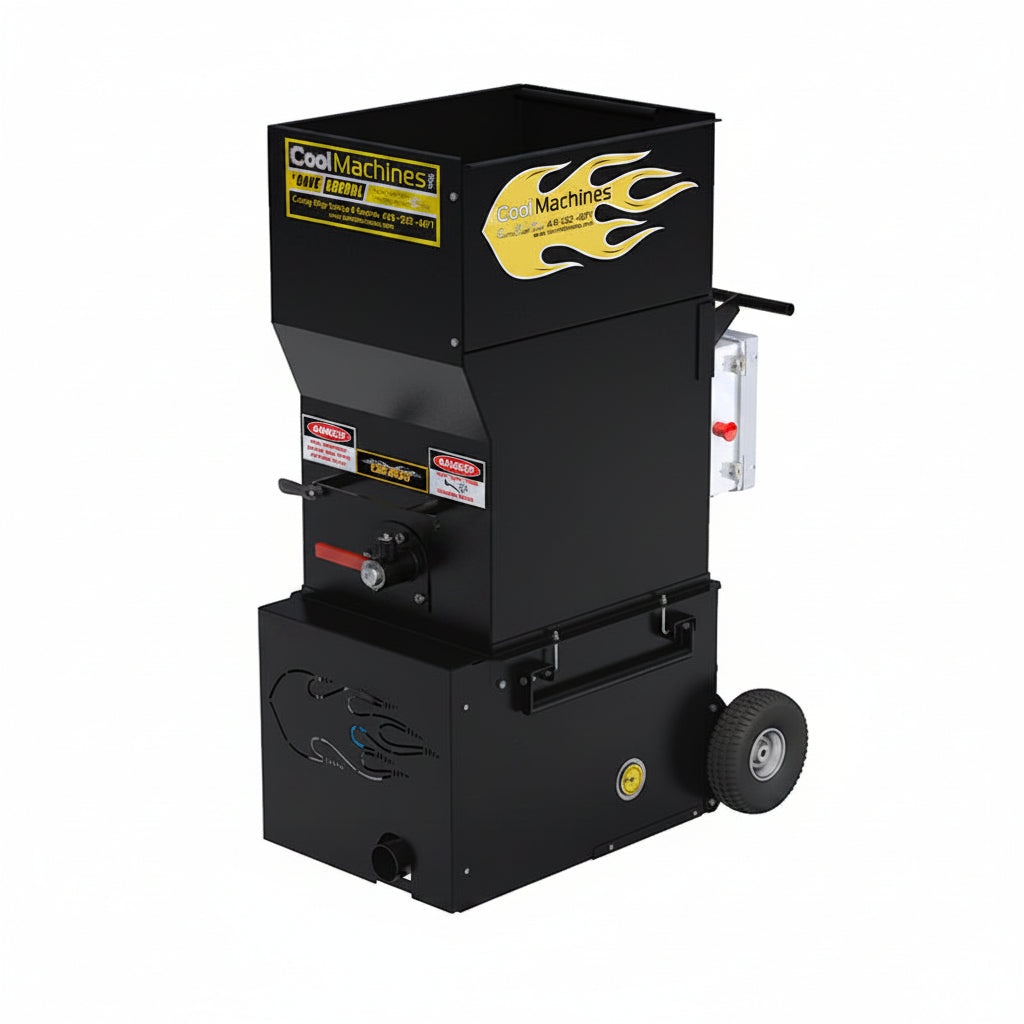
Product photo from the current listing. Specs below are based on the published product information for the used Cool Machines CM 1500 CM1500-1 insulation machine.
A used insulation machine can be a good buy or a headache. The difference is usually not the paint. It is the airlock, blower, electrical condition, remote, seals, and whether the machine fits the jobs you actually sell.
The used Cool Machines CM 1500 CM1500-1 is worth a close look for contractors who need a portable blowing machine that can work across cellulose, fiberglass, rockwool, and damp recycle fiber for wall spray. It is not the smallest rental style blower, and it is not a full production truck rig. It sits in the middle where a lot of real contractors live: attic work, retrofit work, dense pack sidewalls, smaller crews, backup machine duty, and jobs where 120 volt power matters.
The current product listing shows SKU U-CM1500-1, brand Cool Machines, and the machine listed as in stock. The listed price was $7,052.15 when this article was prepared. Always verify price, availability, accessories, hose package, blower configuration, and condition before buying used equipment.
View the used Cool Machines CM 1500 listing here.
Quick contractor take
If you are starting an insulation business, adding a second machine, or looking for a portable unit that can handle more than light attic fluff work, the CM 1500 makes sense to inspect. The listing describes a high pressure airlock assembly, 4.5 PSI blower pressure, 120 volt power requirements, and production rates that can keep a small crew moving when the setup is right.
The part that matters most is the used condition. New machine specs tell you what the model can do. A used machine inspection tells you what this specific unit will do on your next job. That is where contractors need to slow down and check the wear points.
Where this machine fits
The CM 1500 is described as a portable all fiber blowing machine. That means it is built for contractors who need one machine to cover common loose fill and retrofit work without dragging a large production rig into every job.
For attic work, the production rate is the first thing people look at. The source listing says the machine can run cellulose at 2,200 pounds per hour, fiberglass at 900 pounds per hour, and rockwool at 1,400 pounds per hour. Those are useful numbers for planning, but no contractor should read them as a guarantee on every house. Hose length, material brand, humidity, operator rhythm, power supply, and the condition of a used machine all change the real output.
For retrofit and dense pack work, pressure and feed control matter more than headline pounds per hour. The listing calls out a high pressure blower and airlock setup, slide gate control for fiber metering, and a pressure gauge for calibration. Those details matter because dense pack is less forgiving than open attic blowing. You need steady feed, enough air, and a machine that does not surge every time the material load changes.
For small crews, the 120 volt setup is a practical point. A machine that can run without special site power removes one more problem from the day. You still need to manage circuits correctly, avoid low voltage problems, and understand the blower configuration, but portable power is part of why this machine class keeps showing up with contractors.
Core specs from the listing
| Item | Listed detail | Why a contractor cares |
|---|---|---|
| Materials | Cellulose, fiberglass, rockwool, damp recycle fiber for wall spray | More job types from one machine, if the setup and accessories match the work. |
| Hopper capacity | Large hopper, listed around 13 to 13.5 cubic feet | Less stopping for reloads, better rhythm for a two person crew. |
| Pressure | High pressure setup, listed at 4.5 PSI in the product copy | Important for retrofit and dense packing sidewalls. |
| Weight | 330 pounds single blower, 350 pounds double blower | Portable, but still a real machine that needs a loading plan. |
| Dimensions | 38 inches long, 24 inches wide, 57 inches high | Useful for trailer layout, shop storage, and jobsite access. |
| Power | 120 volt, with listed configurations at 15 and 20 amp requirements | Works for many residential jobs, but voltage drop still needs attention. |
Production rates in plain terms
The listed production rates give you a planning baseline. They do not replace field judgment. A clean machine with good seals, proper hose, steady material loading, and adequate power will behave differently than a worn machine with tired seals and a long hose run.
Listed material output
Cellulose: 2,200 pounds per hour
Rockwool: 1,400 pounds per hour
Fiberglass: 900 pounds per hour
Scale is relative to the listed cellulose rate. Field output depends on setup, material, hose, operator, and machine condition.
The listing also says a 1,000 square foot attic can be insulated to an R 30 value in one hour. That is the kind of number a contractor should translate into crew planning. Can your crew prep, protect, air seal where needed, stage bags, blow evenly, clean up, and document the work fast enough for the machine to matter? The machine is only one part of production. The crew system around it decides whether the day makes money.
What stands out on the CM 1500
The dual scalping auger design is one of the more important details in the listing. The product copy says the augers break compressed bales into smaller pieces and shred material evenly before it enters the airlock. That matters because inconsistent fiber conditioning creates surging, poor coverage, and extra fighting at the hose.
The listing also says the design avoids long paddles that can wear and bend. That is a practical maintenance point. Contractors do not need fancy words here. Bent paddles, worn seals, bad chains, and weak blower output show up as wasted labor. If the machine feeds steady, the installer at the hose can work. If it does not, the whole crew slows down.
The quick release hopper and quick release auger access are worth paying attention to on a used machine. Any machine that is hard to open up is a machine that tends to get neglected. Easy access to the airlock, seals, and auger area makes service more likely to happen before a job turns into a repair day.
The listing calls out a transparent access panel, pressure gauge, panel voltmeter, LED power indicators, manual thermal overload protection, and a 150 foot remote cord. Those are not just brochure features. On a job, they help the operator see trouble sooner. Low voltage, pressure drop, a plugged line, bad material flow, or a remote issue can cost hours if the crew has no way to diagnose it.
Used machine inspection checklist
Before buying this used CM 1500, inspect it like it is going to work tomorrow morning. Do not stop at whether it turns on. Run material if possible. Listen to it. Check pressure. Look for wear. Ask what comes with it.
- Check the airlock seal condition and ask when it was last replaced.
- Inspect the augers, chain, sprockets, and drive components for wear or poor adjustment.
- Verify the blower configuration and confirm whether it is single blower, double blower, or another option.
- Test the remote cord and all control positions.
- Check the pressure gauge and voltmeter operation.
- Look over the electrical panel for heat marks, loose wiring, bypassed safety items, or rough repairs.
- Confirm the hopper and access panels open and close correctly.
- Ask whether hose, clamps, nozzles, reducer fittings, or wall spray accessories are included.
- Verify the power requirements against the circuits your crews normally use.
- Run the material you actually install, not just whatever is easiest to test.
Who should consider this machine
This used CM 1500 is a reasonable fit for a contractor who already understands the difference between attic blowing, dense pack, and wall spray. It can also fit a startup insulation contractor who wants more machine than a small basic blower, but still needs portable power and manageable size.
It can make sense as a backup machine too. A lot of insulation companies learn this the hard way. One machine goes down, and suddenly the schedule is a mess. A second capable machine can keep small attic jobs, patch jobs, and certain retrofit work moving while the larger rig is tied up or being serviced.
It is probably not the right answer if you are trying to run large production volume every day and need truck mounted speed, huge material staging, and the fastest possible output. It is also not the right buy if you do not have someone who will maintain it. Portable does not mean maintenance free.
Questions to ask before you buy
A used equipment listing gives you the model and headline specs. The buying decision comes from the answers behind the listing.
- What exact blower setup is on this unit?
- Does the machine come with hose, remote, clamps, and accessories?
- Can it be tested with cellulose and fiberglass before purchase?
- What maintenance has been done recently?
- Are the airlock seals fresh, usable, or due now?
- Has the machine been used for damp spray or mostly dry attic work?
- Are any safety controls bypassed or missing?
- What is the realistic freight, pickup, or delivery plan?
Bottom line
The used Cool Machines CM 1500 CM1500-1 is the kind of machine that can make sense for a working insulation contractor. The listed specs are strong for a portable unit: multi material use, 120 volt power, a large hopper, good listed production rates, pressure support for retrofit work, and service friendly access points.
Do not buy it just because the model is known. Buy it if this unit checks out. A clean used CM 1500 with good seals, good controls, steady feed, and the right accessories can earn its keep. A neglected one can eat up the savings fast.
If you are comparing used insulation machines, start with the jobs you sell every week. Then match the machine to your crew, your material, your power situation, your trailer, and your service habits. That is the practical way to decide whether this CM 1500 belongs in your operation.
Next step: review the current listing, confirm the exact included accessories and condition, then inspect the machine against the checklist above before committing.
See the used Cool Machines CM 1500 CM1500-1 product listing.